

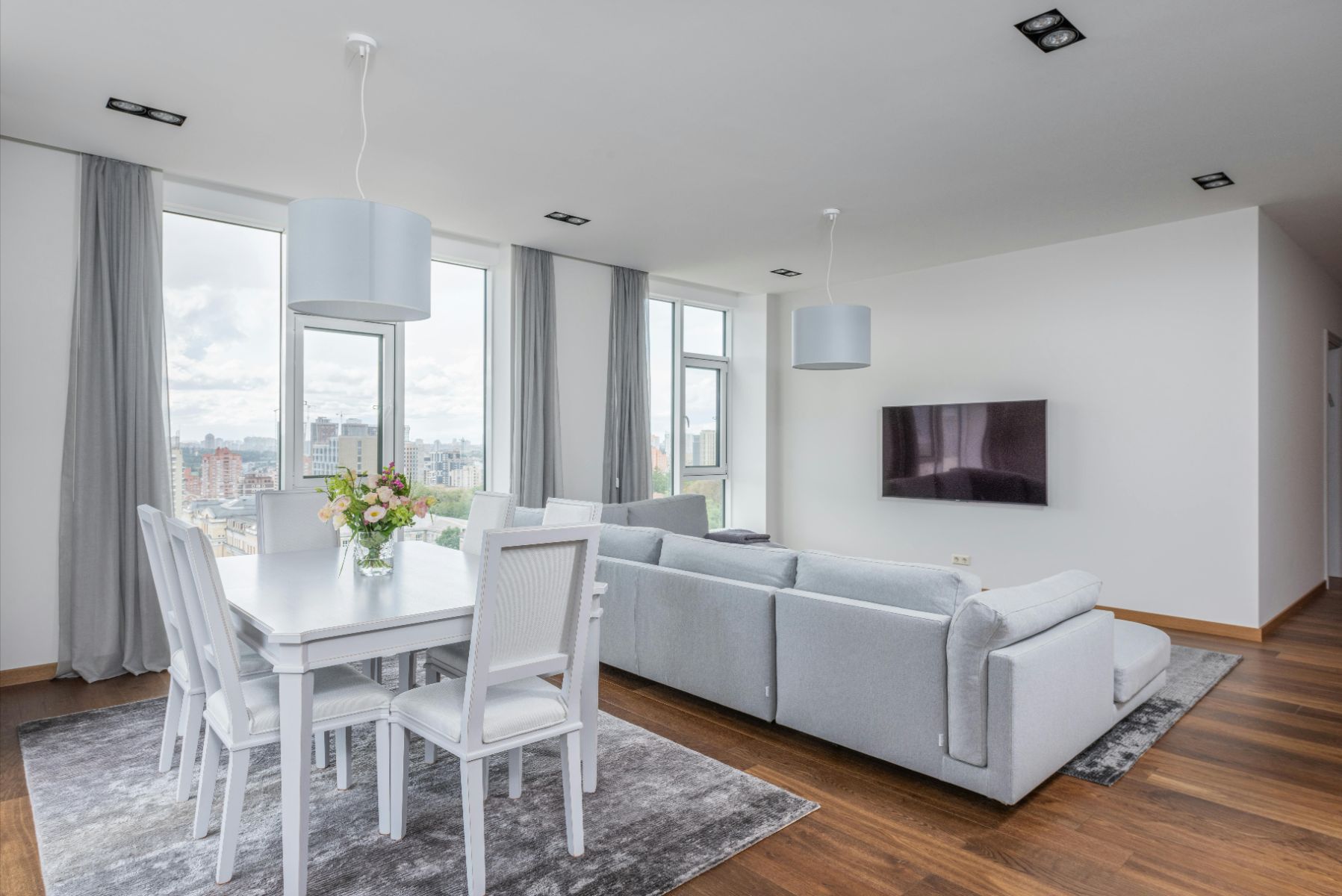
Flooring decisions often start with aesthetics and end with regret. That’s usually because people choose floors based on how they want their home to look, not how it functions day to day. The real comparison between hardwood and luxury vinyl plank (LVP) isn’t about which one is “better”—it’s about which one supports your lifestyle.
Hardwood flooring brings authenticity that no replica can fully replace. The grain, variation, and warmth are natural advantages. It performs best in controlled environments—living rooms, bedrooms, dining spaces—areas where spills are occasional and humidity is predictable. Hardwood also adds long-term value and can be refinished multiple times, making it a generational material.
LVP, on the other hand, thrives where life gets messy. Kitchens, basements, entryways, and busy households benefit from its waterproof construction and scratch resistance. Today’s LVP options mimic hardwood visuals remarkably well, often fooling the eye until you touch the surface. The difference shows up when water hits the floor—or when pets, kids, and heavy furniture enter the picture.
Another major factor is subfloor condition. Hardwood demands a stable, level foundation. LVP is more forgiving, making it ideal for renovation projects where perfect subfloors aren’t guaranteed. Installation timelines also differ—LVP can often be installed faster, minimizing disruption in active homes.
Design consistency doesn’t require uniform materials. Many homeowners now blend hardwood and LVP strategically—hardwood in formal spaces, LVP in high-traffic zones. When done thoughtfully, the transition feels intentional rather than mismatched.
At Porter and Porter, flooring recommendations are based on function first, appearance second. That approach prevents costly mistakes and ensures each room performs the way it should. In Waldorf, MD homes where humidity shifts with the seasons, that guidance matters more than ever.
The right floor isn’t the trendiest one. It’s the one you don’t have to worry about after installation.


