

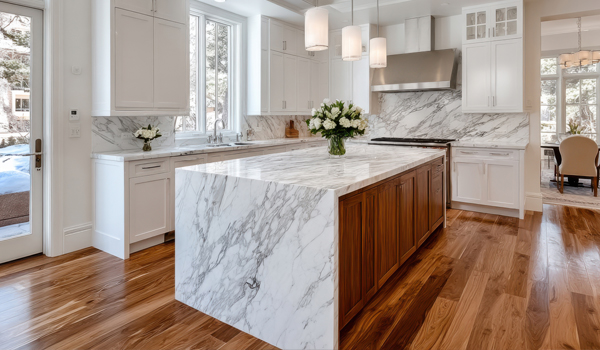
Choosing new surfaces for your kitchen or bathroom is an exciting milestone during any home improvement journey. When you begin kitchen remodeling projects, the central hub of your culinary space often revolves around the island and preparation counters. Two materials consistently stand at the top of the list for homeowners throughout Washington DC, Maryland, Virginia, and Central Florida: quartz and granite. Both options bring incredible beauty, durability, and value to a home, but they behave quite differently under the demands of daily life.
Understanding their unique characteristics will help you make a confident decision that matches your style, family routine, and interior design goals.
The Natural Elegance of Granite
Granite is a 100 percent natural stone quarried from the earth, cut into thick slabs, and polished to a brilliant shine. No two slabs are identical, meaning your kitchen or bathroom will feature a truly one-of-a-kind piece of art shaped by geological history. Homeowners who appreciate organic variations, deep mineral veining, and authentic textures often gravitate toward natural stone.
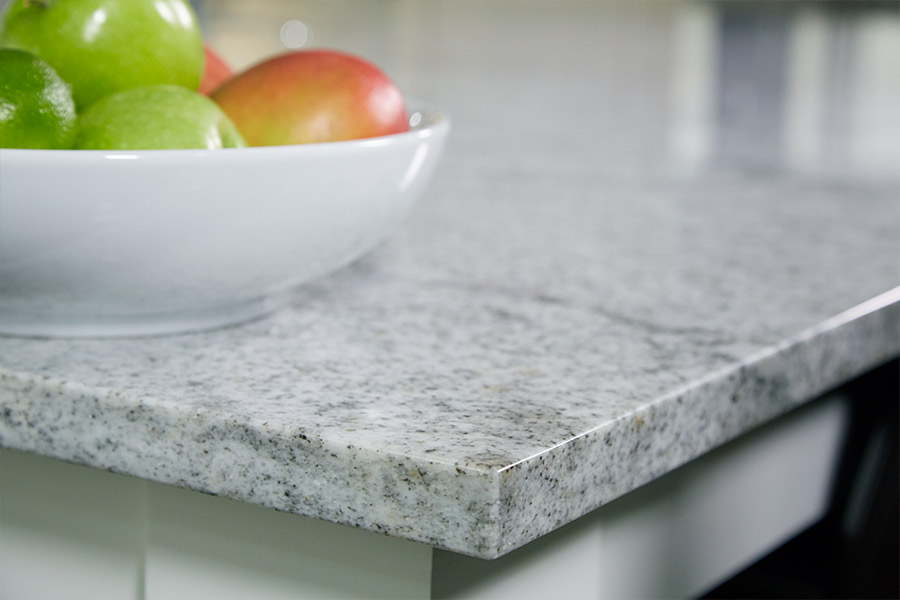
Benefits of Granite Surfaces
Unique Aesthetics: Every single slab features distinctive patterns that synthetic options cannot fully replicate.
Heat Resistance: Natural stone withstands high temperatures exceptionally well, making it easy to set hot pans down during busy cooking sessions.
Durability: Properly sealed granite resists scratching and chipping, standing up firmly to years of heavy family use.
The Engineered Consistency of Quartz
Quartz countertops are engineered products created by combining ground natural quartz stone with resins, polymers, and pigments. This manufacturing process produces a dense, non-porous material that offers incredible versatility in color and pattern. If your interior design vision calls for clean white backgrounds, uniform gray veining, or bold modern hues, engineered quartz delivers dependable consistency from corner to corner.
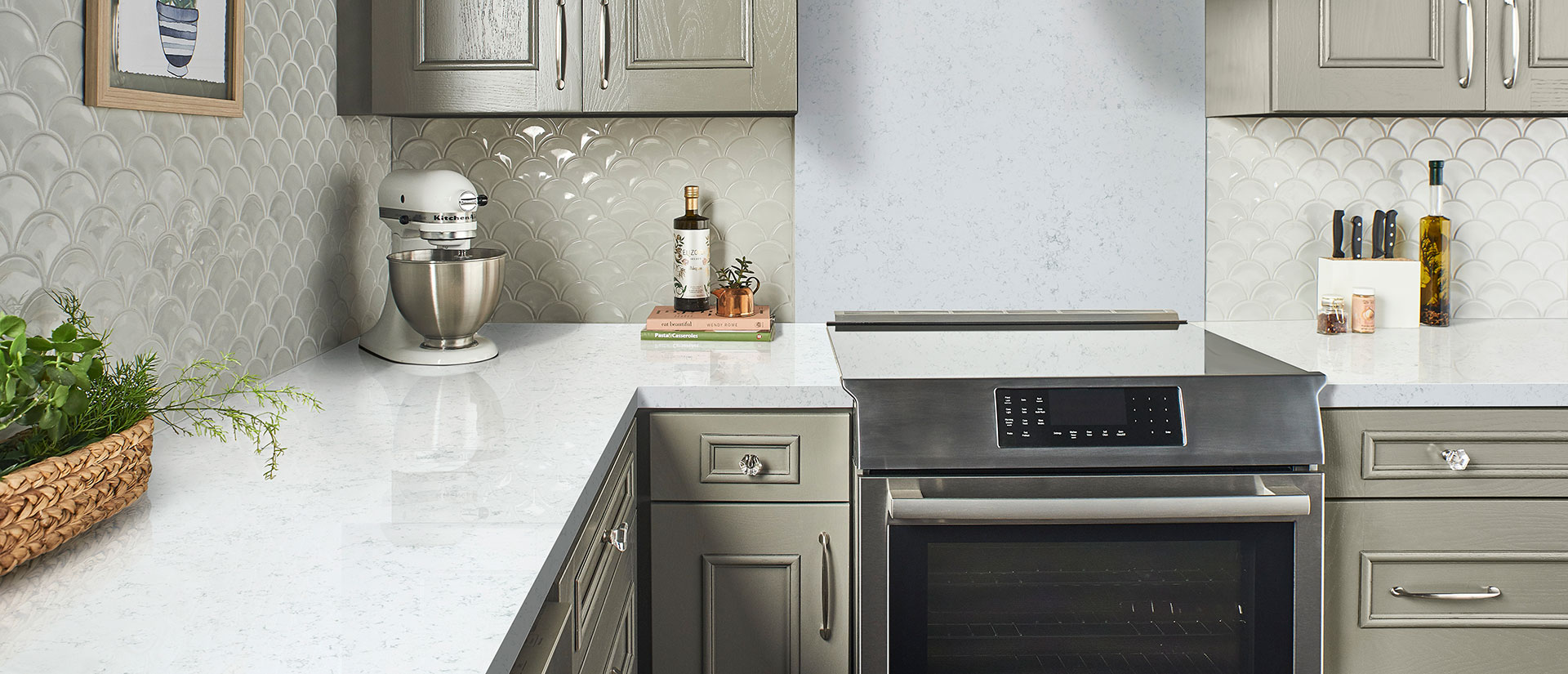
Benefits of Quartz Surfaces
Low Maintenance: The non-porous surface never requires sealing, making routine cleaning exceptionally simple and hassle-free.
Stain and Bacteria Resistance: Spills from wine, coffee, or citrus juices cannot penetrate the dense resin matrix, keeping your food preparation zones hygienic.
Design Uniformity: You can view samples and expect the installed product to match your exact pattern expectations across your entire layout.
Comparing Performance in Busy Households
When evaluating these materials for your household, consider how your family uses the space daily. Granite requires an annual application of a penetrating sealer to protect against stains, whereas quartz is entirely maintenance-free in that regard. However, granite handles direct heat slightly better than quartz, as extreme thermal shock can occasionally discolor the resin binders in engineered stone. When you are planning upgrades alongside custom cabinetry, our experienced team helps coordinate every detail to ensure your new surfaces fit your lifestyle perfectly.
Completing Your Interior Transformation
Selecting the ideal countertop is just one part of elevating your home environment. Many homeowners pair their new surfaces with coordinating stone installations or stylish backsplash elements like glass and metal tile to tie the room together. Beyond the kitchen, updating high-traffic areas with gorgeous hardwood flooring creates a harmonious flow throughout your entire living space.
As trusted flooring experts and home improvement specialists serving the DMV and Orlando regions, Porter and Porter is here to bring your vision to life with craftsmanship and dependable service. Contact us today to schedule your consultation and explore our stunning collection of materials!
Frequently Asked Questions
Is quartz more durable than granite?
Both materials offer exceptional durability, but they excel in different ways. Quartz is harder and completely non-porous, making it superior at resisting stains and impact cracking. Granite is slightly softer in comparison, but it handles high heat more effectively without the risk of resin scorching.
Do quartz countertops need to be sealed?
No, engineered quartz never requires sealing. Its manufacturing process creates a solid, non-porous surface that repels liquids naturally, saving you time on long-term maintenance.
Can I place hot pans directly on quartz?
It is best to use trivets or hot pads with quartz. While heat resistant up to a point, extreme temperature changes or prolonged exposure to direct heat can damage the resins holding the stone together.


